0 800 505 207
 info
SAF-T UA
This is a separate module that allows using accounting data from any system for preparing and exporting SAF-T UA files.


This is a separate module that allows using accounting data from any system for preparing and exporting SAF-T UA files.

SAF-T UA is a separate module that allows using accounting data from any system, supporting API upload for and external files for other systems.
The system provides viewing, editing, and supplementing data in the format required by the tax service, with file export following the XSD schema.
We are actively working on adapting the product for different configurations of accounting systems and are ready to provide full support for a smooth transition to the new reporting format.
For series accounting systems, data upload is available via API. For other systems, data upload is provided via external files.
The system allows viewing, editing, and supplementing accounting data in the format required by the tax service.
The file or files are exported according to the XSD schema published by the tax service.
Depending on the volume of data, export can be done in one or multiple files, according to the rules described in the SAF-T UA file formation requirements.
We are currently actively working on adapting our product for various configurations of accounting systems on the platform.
Since SAF-T UA contains a significant amount of information about all company operations for a certain period, the preparation process is lengthy and requires attention to detail. Therefore, we recommend starting the preparation for implementing SAF-T UA reporting in advance.
We are ready to make every effort to support Ukrainian business in a quick and painless transition to the new reporting format, as well as to provide quality consulting support and assistance at subsequent stages.
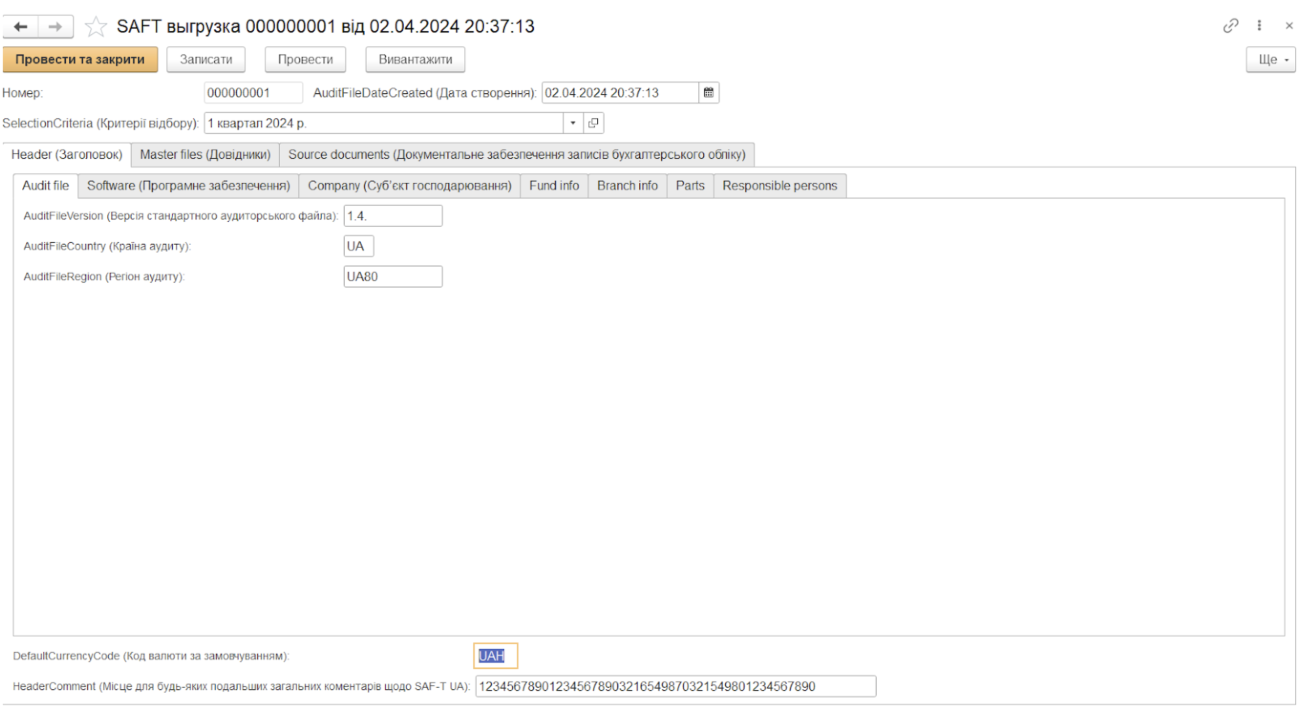
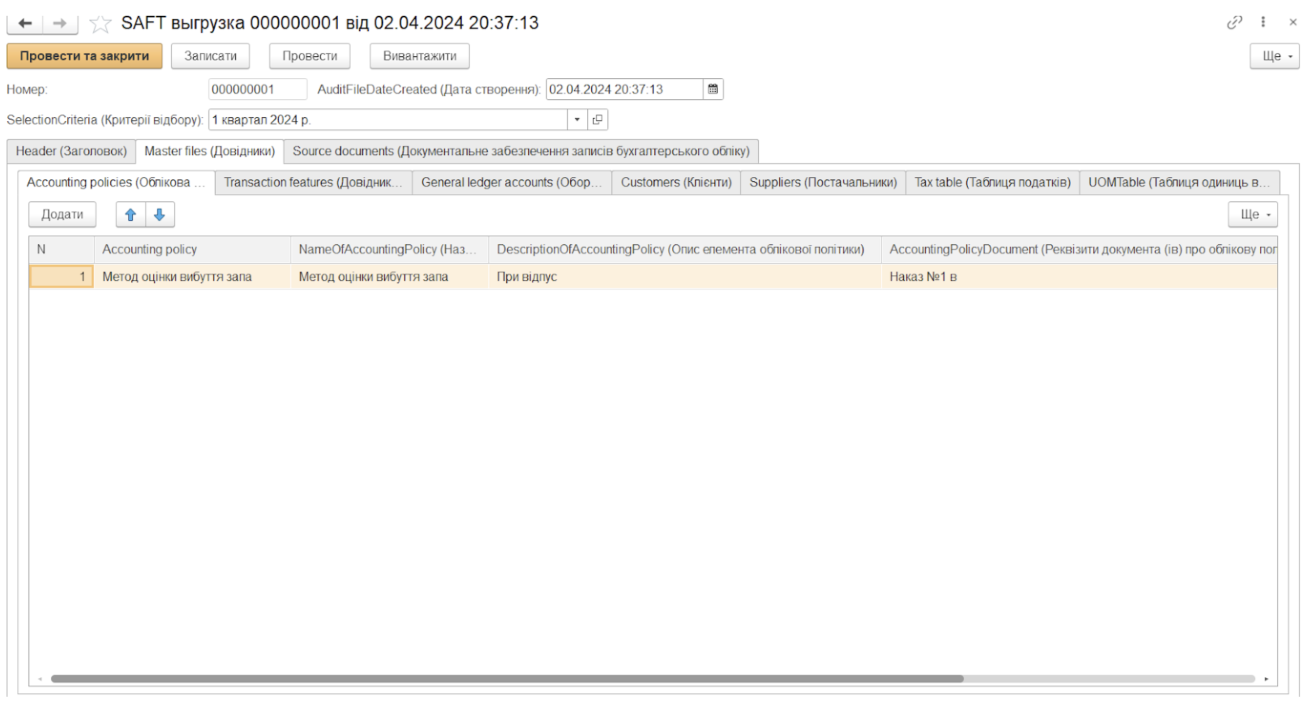
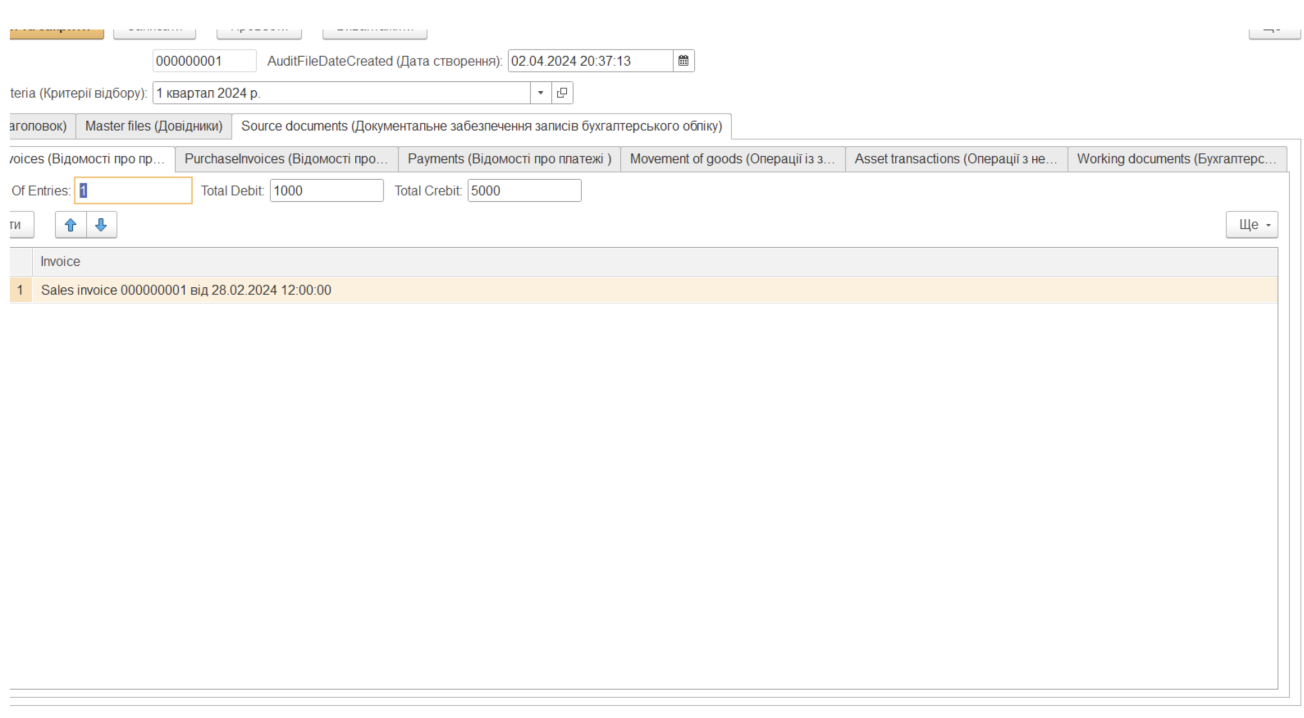
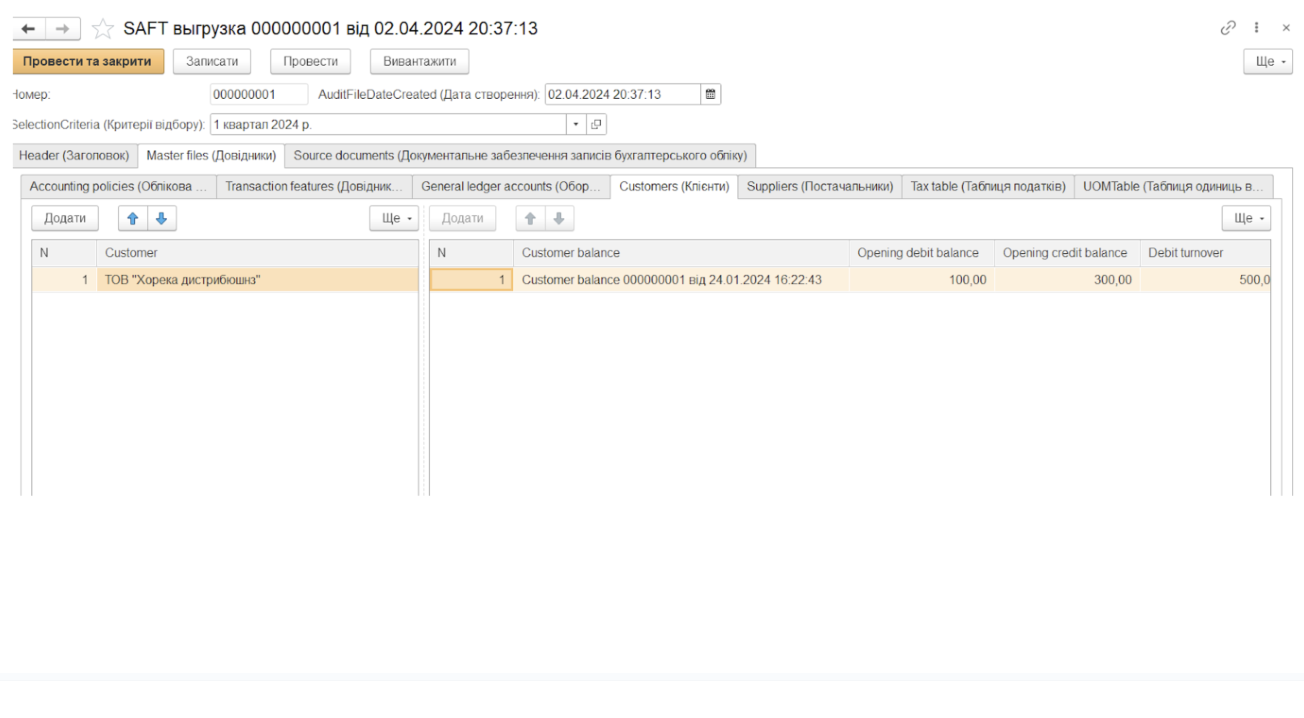
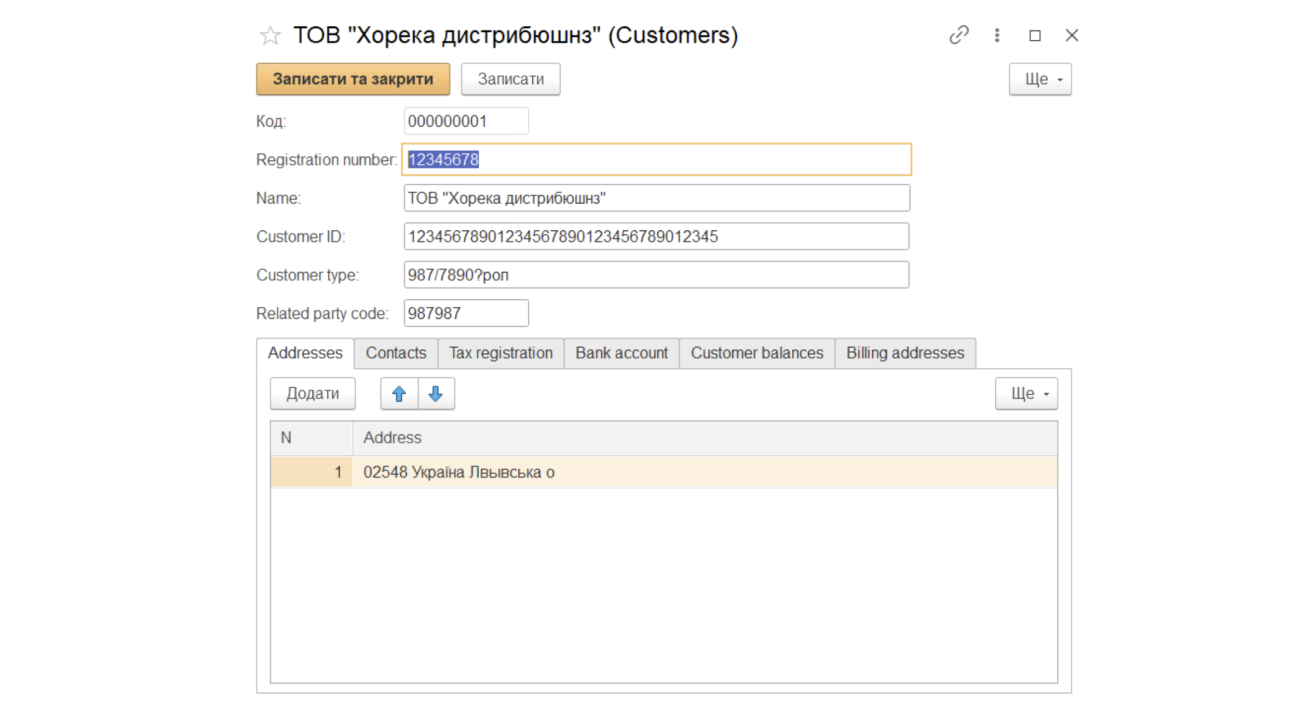
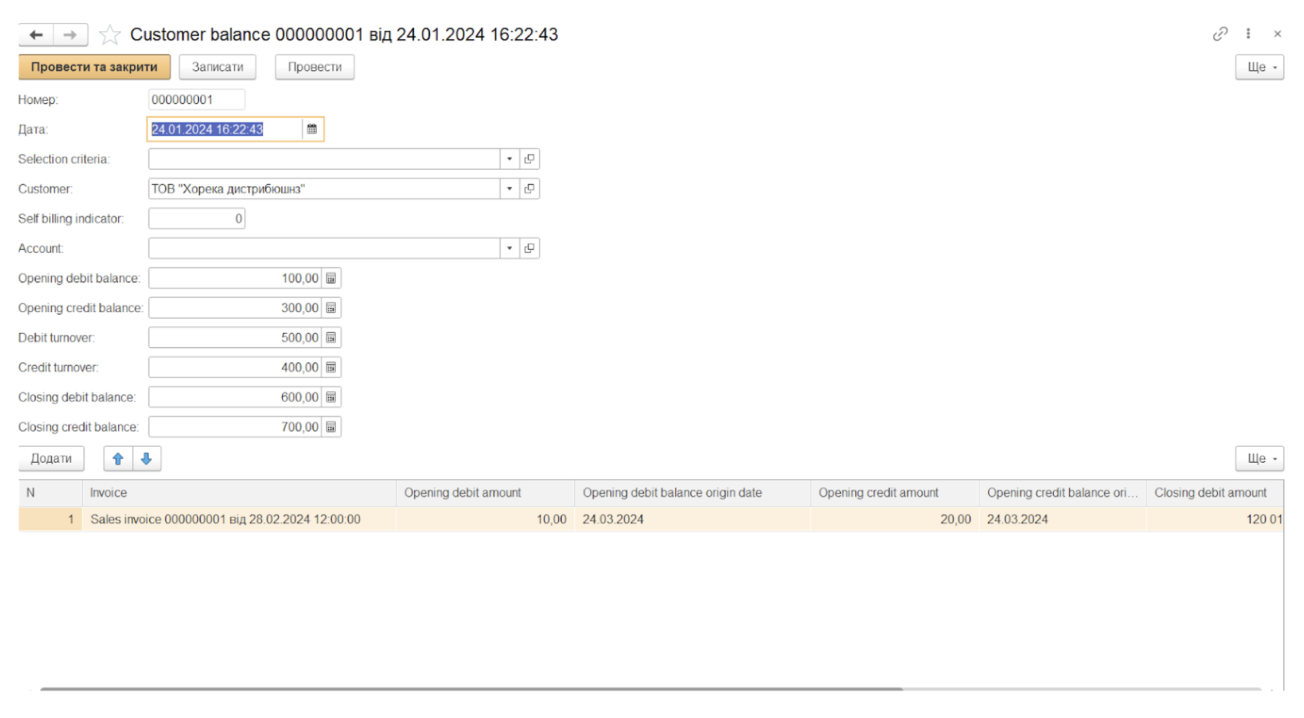
We take care of the integration with your systems, data mapping, user training, and further system support.
This is a separate module that allows using accounting data from any system for preparing and exporting SAF-T UA files.
For accounting systems, data upload is available via API. For other systems, data upload is provided via external files.
The system allows viewing, editing, and supplementing accounting data in the format required by the tax service.
Files are exported according to the XSD schema published by the tax service.
Depending on the volume of data, export can be done in one or multiple files, according to the rules described in the SAF-T UA file formation requirements.
The system stores data about all exports, allowing verification, comparison, and analysis. By default, data is placed on the client’s servers to avoid leakage of confidential information.
1
Need a SAF-T UA consultation?
2
Hard to assess the need for automation?
3
Want to understand all the prospects of business process automation?
4
EBS consultants are ready for your request
Providing reporting according to international standards
Minimization of errors in reporting
Prompt response to client requests
Optimization and quality improvement of reporting
High-level technical and software support
Large volumes of information processing by our specialists
Continuous monitoring of legislative changes
Gained experience in leading enterprises












Yes. EBS has developed a dedicated SAF-T UA module: it retrieves data from your accounting system and generates a file in accordance with the XSD schema published by the tax authority. We take care of the integration, data mapping, user training, and ongoing support. The module can also be used for complex accounting systems: with its help, Poltava Drilling Company Ltd. responded to a request from the State Tax Service covering three periods in a single working day, without a single error.
The adaptation process usually proceeds as follows:
The duration of each stage depends on the volume and quality of the company’s accounting data.
Yes. The SAF-T UA module from EBS is not tied to any specific accounting software. Therefore, even if a company maintains its accounts in several systems or in a custom-developed solution, data from all sources can be consolidated into a single, valid SAF-T UA file. This is particularly useful for groups of companies and businesses that conduct some of their operations using separate software programs. We will determine exactly how to connect each data source following an analysis of your systems.
Yes. Once configured, the module automatically collects data from the accounting system, generates a SAF-T UA file in accordance with the tax authority’s XSD schema, and prepares it for export. All your team needs to do is check the result. This is particularly relevant for companies with complex accounting systems and large volumes of transactions: preparing the file manually takes days and often leads to errors. Once the system is up and running, we provide ongoing support and monitor changes in legislation.
Mapping involves aligning the data from your accounting system with the SAF-T UA structure. Our consultants analyse the chart of accounts, reference data (counterparties, product master data, tax codes) and transaction types, and then configure the rules by which the data is converted into the required format. We test the mapping using real data, and when new accounts or transactions appear in the accounts, we adjust it accordingly.
Yes, the module works with BAS. As it is not dependent on any specific accounting software, other systems—in particular ERP solutions—can also be integrated. We select the integration method following an analysis: for some systems, data is transferred via an API; for others, it is imported as prepared external files. Before generating the file, data can be viewed, edited and supplemented directly within the module.
EBS consultants are here to help with this. We combine IT expertise with accounting and tax expertise, so we check not only the technical correctness of the file but also the quality of the accounting data itself. If information is missing from master data or transactions, we will advise you on what to add and how. For example, in asset-intensive companies, transactions involving non-current assets often require separate processing to comply with the SAF-T UA structure.
The cost depends on the accounting system and the method of integration (API or external files), the number of legal entities, the volume and quality of the data, and whether any customization is required. The cost includes configuration, mapping, training and support. We will provide an exact quote following an initial consultation and set this out in the contract. To book a consultation on SAF-T UA, please submit a request.
Error: Contact form not found.
Error: Contact form not found.
Error: Contact form not found.